How to Prep Your Hitter for Travel Baseball Tryouts
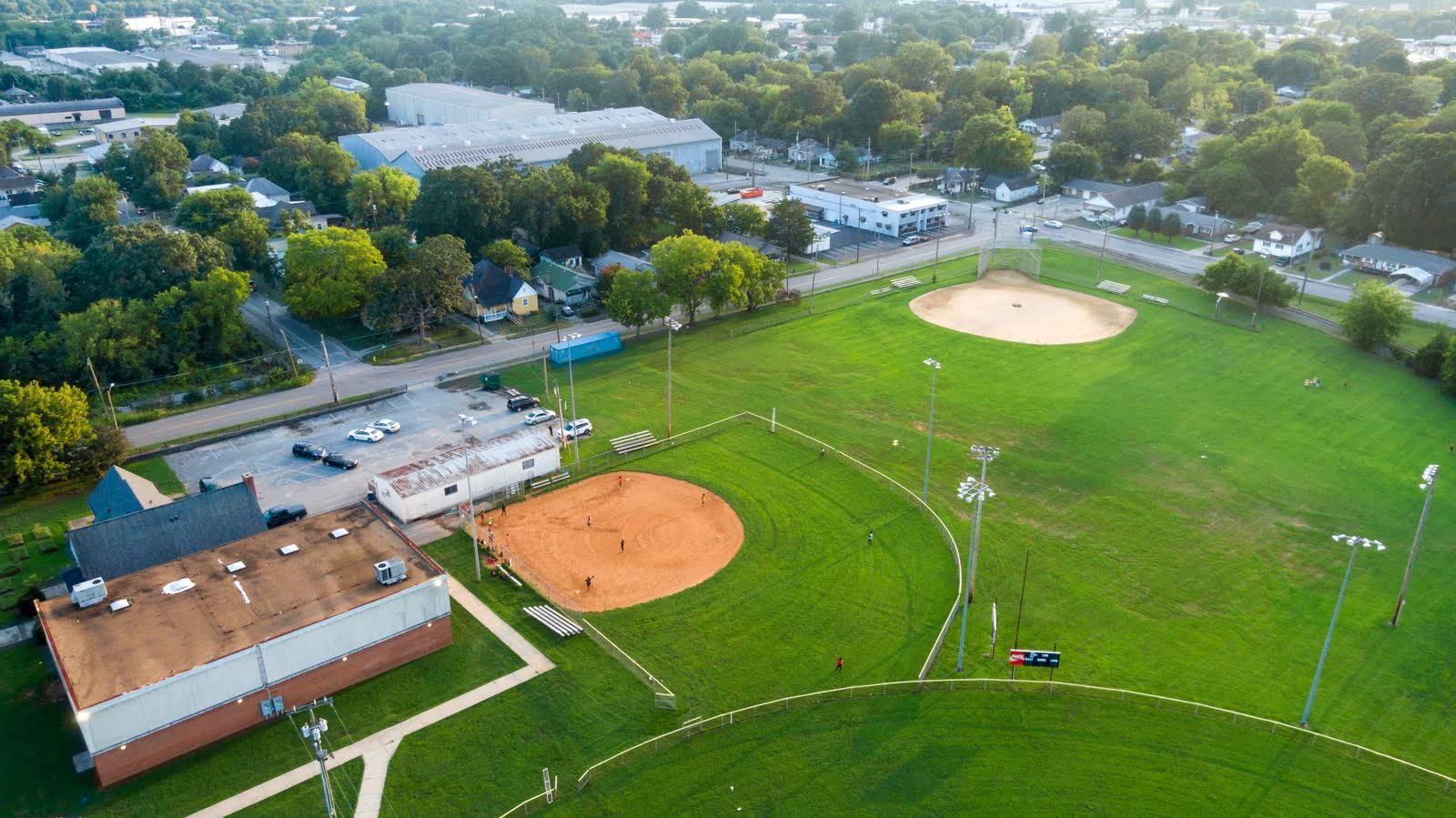
Travel ball tryout season is in full swing — programs all over the country are running evaluations and filling out 2026 rosters right now. If your kid is trying out, the next few weeks carry a little weight, and I think a lot of families spend them stressing about the wrong things. So here's what coaches are actually watching for at the plate, and how to walk in with a swing that's ready (without doing anything drastic).
What coaches are really evaluating
Tryouts move fast — a coach may see your hitter for only a handful of swings. They're not looking for a finished product; they're looking for tools and trainability. At the plate, that usually means:
| What they watch | What it tells them |
|---|---|
| Bat speed & contact quality | Raw ability and present strength |
| Swing mechanics under pressure | How much coaching the swing will need |
| Approach & pitch selection | Baseball IQ — does the kid have a plan |
| Body language & coachability | Whether they'll fit the culture |
Programs are blunt about the last one: they want players who are coachable, hardworking, and competitive. A clean, repeatable swing and a good attitude often beats a bigger kid with a longer, messier swing. And expect the speed of the game to be a step up — travel ball means faster pitching and stronger competition, so the swing has to hold together when things speed up.
The 2-week swing tune-up (don't overhaul, sharpen)
The mistake parents make is trying to rebuild the swing the week before tryouts. Don't. A swing change takes months and will look worse before it looks better. Two weeks out, the goal is to sharpen what's already there and quietly clean up the one flaw that's costing the most.
- Identify the single biggest leak. Is the hitter casting (long, slow bat path) or stepping in the bucket (striding open, no power)? Fix the one that shows up most — not five things at once.
- Build timing with live-ish reps. Front toss and machine work at game-like speed so the swing doesn't fall apart against faster pitching.
- Lock in a routine. A consistent pre-pitch setup and load makes the swing repeatable when nerves hit.
- Tee work for direction. Outside-third reps so they can show they cover the whole plate.
Film the swing before tryout day
The most useful thing you can do in the run-up is see the swing objectively. Kids feel one thing and do another; coaches at a tryout will see what's actually happening, so you should too — beforehand. Film a few swings from the side and from behind, and look at bat path, stride direction, and whether bat speed peaks at contact. Knowing your hitter's one fixable flaw going in means you can work on it calmly instead of getting surprised by a coach's note.
Tryout-day basics that get overlooked
- Arrive early, warmed up, and ready to hit — don't waste swings shaking off rust.
- Hustle on and off the field. Coaches notice effort between reps as much as the reps.
- Take competitive swings — don't try to crush every ball. Show a plan and a repeatable swing.
- Bring water, the right cleats/bat, and any required forms. Logistics stress shows up in the swing.