Fall Ball Is Over. What Should Your Hitter Work On First?
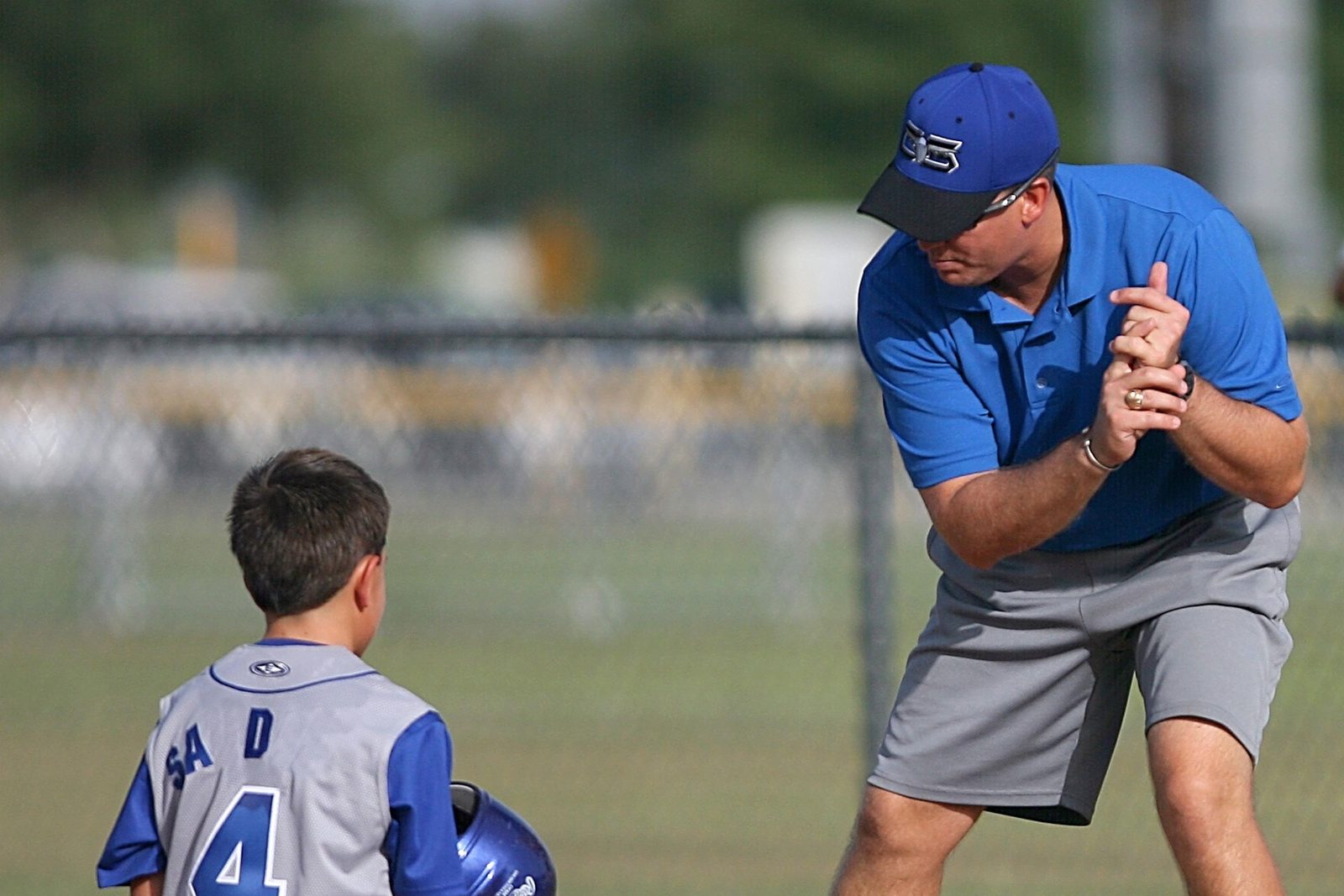
Fall ball ends with a pile of information: a batting average, a few phone videos, a coach's comment about staying back, and your player's memory of the last strikeout. None of that automatically tells you what to work on this winter. Start with a smaller question: which repeatable skill is making hitting hardest right now?
This youth baseball hitting evaluation checklist helps you choose one useful goal. You do not need to diagnose every joint angle or rebuild a swing. You need an observation you can check, a practice task that addresses it, and a starting point to compare against later.
Separate the result from the skill
A single hit can come from a poorly timed swing. A solid line drive can find a glove. Keep the season's results, but put a second column beside them: what happened before the ball reached a fielder? Did your hitter choose a pitch they could handle? Did they make firm contact? Did the same miss keep appearing?
Write observations before explanations. “Swung through four high pitches” is useful. “Hands are too slow” is a diagnosis that those misses alone cannot establish. Pitch location, recognition and timing may all be involved. If the practice swing looks comfortable but game contact breaks down, read our guide to timing versus mechanics before changing the motion.
Your season-end hitting checklist
Use three categories. Mark each one “repeatable,” “inconsistent,” or “need more evidence.” These are notes about the task, not labels for the player. A blank is better than a confident guess.
| Skill | What to record | Useful next question |
|---|---|---|
| Pitch decisions | Swings at hittable pitches; takes outside the planned zone | Is the hitter choosing pitches they can drive? |
| Contact consistency | Firm contact, weak contact or miss; include pitch location | Does the same miss repeat on similar pitches? |
| Swing patterns | A visible movement repeated across several clips | Does the coach see it in games and practice? |
For decisions, start with a manageable hitting zone agreed with the coach. Do not treat a borderline call from a phone video as proof of a bad choice. For contact, decide what “firm” means before counting: a sharply struck ball rather than a dribbler, thin pop-up or miss. This is a simple practice log, not an exit-velocity measurement.
For swing patterns, look for something you can actually see: repeated loss of balance, a stride that arrives at different times, or the front side turning away before contact. One blurry frame cannot explain a season. Avoid turning a familiar cue, such as “keep your head down,” into a conclusion before checking the footage.
Compare game and practice clips
Choose several recent clips rather than the best swing and the worst swing. Include a few ordinary attempts. Note the date, task, pitch location when visible, and outcome. A tee swing removes the incoming pitch; front toss adds timing; a game adds less predictable pitches and decisions. They answer different questions.
Film from a safe position outside the ball path and cage netting, with the whole hitter and bat visible. Our swing filming guide covers framing. Use a similar angle when comparing body movement. Do not compare a close side view with a distant view from behind the backstop and expect precise angle differences.
Watch at normal speed first, then use slow motion to check the movement you noticed. Ask: does it happen repeatedly, and under which conditions? If it appears only when the hitter is late against faster pitching, that context belongs in the coach conversation.
Ask the coach for one priority
Bring the checklist and two or three representative clips. Ask: “Which one skill would make the biggest difference right now, and what would a better rep look like?” Then ask for a task and a cue that fit that skill. The answer should be specific enough that the player can explain it back.
For example, “get better at hitting” is too broad. “Make more firm contact on middle-location front toss while staying balanced through the finish” gives you a task and an outcome. If the priority is chasing, a stationary tee alone cannot test the decision. Match the practice to the problem.
Save a starting point: two eight-swing rounds
Here is a simple practice baseline we suggest, not a standardized scouting test. Use an adult coach behind the appropriate protective screen, a helmet, and the facility's safety setup. Keep tosses comfortable and consistent enough that the hitter can attempt the chosen task.
- Define the task. Choose one location and one cue with the coach. Warm up before recording results.
- Take eight swings on hittable tosses. Log firm contact, weak contact or miss. Mark an unusable toss separately; do not count it as a hitting failure.
- Rest and review one observation. Ask the hitter what they noticed. Avoid adding three new instructions between rounds.
- Repeat eight swings under the same conditions. Save the counts and one representative clip from each round.
If pitch selection is the priority, use a separate decision round with the coach mixing safely presented pitches inside and outside the planned hitting zone. Count good swings and good takes across delivered pitches. Keep that result separate from the eight-swing contact task; the denominators are different.
Adjust the challenge, then revisit the goal
For ages 10–12, begin with an obvious zone and comfortable tosses. A useful rep is one the hitter understands and can repeat without a running commentary. For a high school hitter, the coach may add more location or timing variation once the task is stable. Age alone does not determine the right difficulty.
Revisit the same task after a few practice sessions, with similar equipment, tosses and camera position. Record the actual change: for example, firm contact on nine of sixteen hittable tosses, compared with six of sixteen at the start. Those are example counts, not improvement targets or promises. A short practice sample still needs checking against later sessions and game swings.
If the result does not move, ask whether the task was consistent and the chosen cue helped. Bring the evidence back to the coach before piling on more drills. The checklist earns its place by making the next conversation clearer.
Coaching reference
USA Baseball / Little League: Hitting Drill Progression supports using tee work, toss and batting practice for different learning demands. The checklist, round sizes and session timing here are suggested ways to organize practice.