The July Slump: Why Good Young Hitters Go Cold Mid-Summer
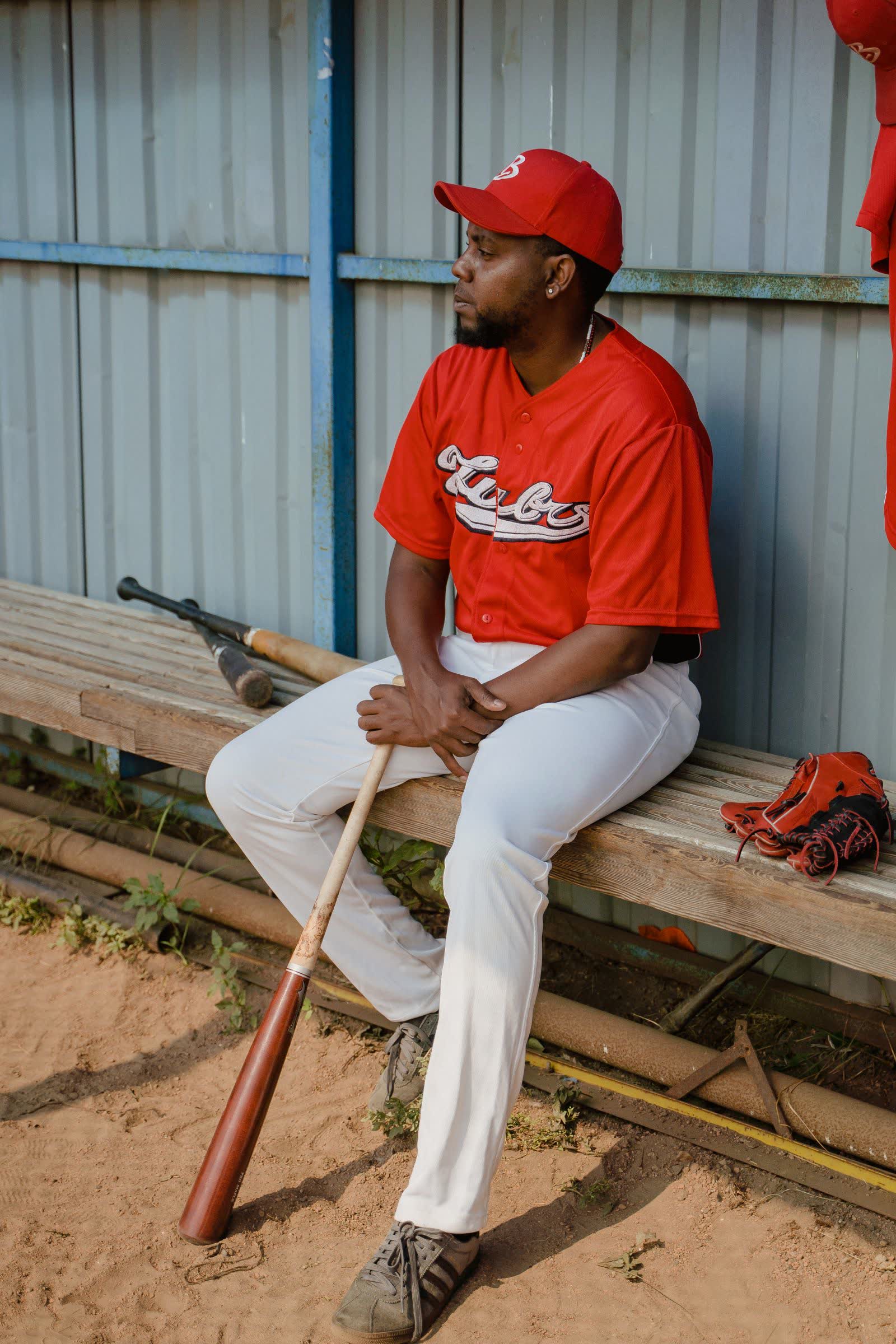
Here's a scene every baseball family knows: your kid raked all spring, and then somewhere around the third tournament weekend in July, the hits just… stop. I've watched this turn perfectly calm households tense, and the first instinct is almost always the wrong one — panic, book a lesson, start tearing the swing apart. Before you do any of that, it's worth figuring out what's actually going on. Most mid-summer slumps aren't what they look like, and the standard "fix" usually makes them last longer.
First, the reassuring part: slumps are normal
Let's get this out of the way: every hitter who has ever played goes through cold stretches. Every big leaguer, every year. Baseball is a game of failure at the margins — a great hitter still makes an out 6 or 7 times out of 10 — so over a handful of at-bats, plain bad luck produces stretches that feel broken when nothing actually is. So the first job isn't to fix the swing. It's to figure out whether there's anything to fix at all.
The way I think about it, a summer slump comes down to one of three causes — and the catch is they need nearly opposite responses. Treat a tired kid like a mechanical problem (pile on reps and lessons) and you take a one-week cold streak and dig it into a one-month hole.
| Cause | What it looks like | What it needs |
|---|---|---|
| Fatigue | Slow bat, late timing, "lazy" lower half, worse in game 2 of a doubleheader | Rest and load management — not more swings |
| Mechanics drift | A specific, repeatable flaw shows up on video (long swing, lunging) | One targeted correction |
| Confidence / mental | Tentative swings, pressing, fine in the cage but frozen in games | A reset routine and perspective |
Cause #1: Fatigue (the one we all underrate)
Summer baseball is a grind, and I think this is the cause parents miss most. Back-to-back tournament days, three or four games in 90-degree heat, year-round travel schedules — it adds up, and tired bodies just don't swing well. Heat alone changes how fast a player fatigues and how quickly they lose focus, as Baseball Lifestyle 101 lays out: the whole goal is to still be swinging in game two the way you were in game one.
There's a bigger picture here too. The American Academy of Pediatrics warns that the professionalization of youth sports — high training volume and year-round single-sport play — drives overuse injury, overtraining, and burnout, and notes that a striking number of kids walk away from organized sports by their early teens. Specialized young athletes report significantly higher fatigue and anxiety than their less-specialized peers. A coach at Lupos Baseball makes the same point about chaotic summer schedules.
Cause #2: Mechanics drift
Sometimes a slump really is mechanical — but even then, it's almost always one thing, not five. Under fatigue and pressure, the same two flaws tend to creep back in first:
- The swing gets long. Tired hands drift away from the body, the barrel takes the long way to the ball, and the hitter is late. (More on this in our piece on fixing casting.)
- The stride opens up. Pressing to "do more," hitters bail out early and lose the plate. (See stepping in the bucket.)
The key is to identify the single biggest leak instead of overhauling the whole swing in the middle of the season — which almost always makes things worse before they get better.
Cause #3: Confidence and the mental side
Often a slump that started as bad luck or one missed adjustment turns into a confidence problem — the hitter starts pressing, swinging tentatively, or tying their self-worth to the box score. A simple, repeatable reset routine helps: a short, consistent sequence between pitches and at-bats — step out, take a breath, refocus on the next pitch — to break the spiral and bring attention back to the task at hand.
Just as important is what the adults say in the car ride home. A kid who hears "what happened out there?" after every cold game learns that hits are the only thing that matters. Praising good swings and good decisions — regardless of outcome — keeps a slump from becoming an identity crisis.
The one question worth answering: swing or head?
Almost everything above hinges on a single fork in the road: is the swing actually different, or does it just feel different? And here's the honest truth — kids and parents are both terrible at telling those apart from feel alone. I certainly am. The only reliable way I know is to look: film a swing now and put it next to one from a few weeks ago. If the mechanics match, you're probably looking at fatigue or confidence, and the answer is rest and reps, not a teardown. If something real has drifted, it'll be right there on the screen.
You can do this with a coach, a slow-motion app, or — full disclosure, this is the thing I work on — Angular Baseball, which maps the joint angles from a phone video so you're comparing the same checkpoints instead of squinting and guessing. Honestly, the tool matters less than the habit: look before you fix.
What not to do in July
- Don't rebuild the swing mid-season. A real mechanical change takes weeks and looks worse before it looks better — terrible timing during tournaments.
- Don't pile on volume. If it's fatigue, more swings dig the hole deeper.
- Don't fix five things at once. One adjustment, lots of confidence.
- Don't make game results the whole conversation. Protect the love of the game first.