Baseball Gifts That Actually Make Your Kid a Better Hitter (and the Ones That End Up in the Garage)
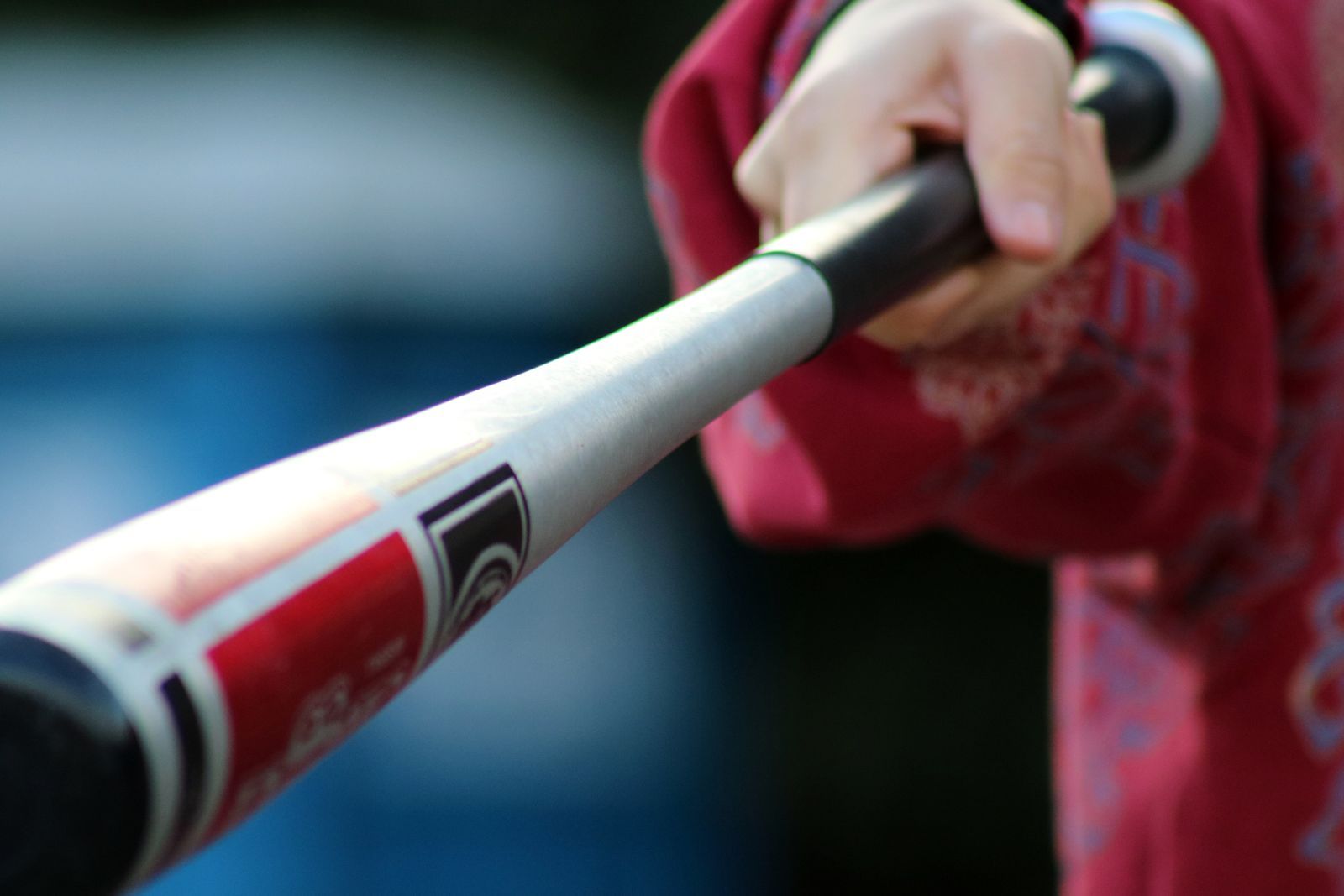
Most hitting gear makes a great first impression on December 25th. By February a good share of it is holding up a bike in the garage. This guide sorts the usual gifts by price and by one question: will your hitter actually use it, and do the swings it produces get better?
There are no affiliate links here, and nobody paid to be on this list. Each section names the product I'd buy, linked to the maker's own page where they sell direct. Prices were checked on November 3, 2026 and will move with holiday sales. The category matters more than the logo, so if a store has a close equivalent on sale, that's fine.
The one test for any hitting gift
Ask whether the gift means more good swings, or just more swings. A thousand rushed swings into a net with no target will mostly groove whatever your hitter already does. The useful gifts make it easy to take a focused round on a random Tuesday night: something to hit off, something to hit into, and a way to see what happened.
The second test is friction. If setup takes fifteen minutes and a parent's help, it won't get used. If it lives in the garage, ready, it will.
Under $30: small, cheap, used constantly
A bucket of training balls
Plastic, foam or limited-flight balls let a hitter take full swings in a garage or backyard without anybody worrying about windows. They won't feel like a real baseball off the bat, so they're for reps and repeatable movement, not for judging how hard a kid hits. A couple of dozen is plenty.
My pick: SKLZ Impact Practice Baseballs ($24.99 for 12). They're limited-flight balls that keep their shape. A step up is JUGS Lite-Flite Baseballs ($52 a dozen), which also work in a JUGS machine if one shows up later.
A phone clamp or small tripod
I'd buy this before anything else under $30. A $15–25 tripod means you can film a swing from the same spot every time, which is the only way to compare this week's swing to last month's. Our guide to filming a swing covers where to put it.
My pick: the JOBY GripTight ONE GorillaPod (about $25 on Amazon). Its legs wrap around a fence post or a cage pole, which is the hardest part of filming at a field. For a plain tripod, the UBeesize phone tripod (about $15) comes with a remote.
A jump rope
Not a hitting tool, I admit. It's cheap, it works on rhythm and staying light on the feet, and it's a decent warm-up for a kid who'd otherwise walk straight from the couch to the tee. File under "stocking stuffer that might matter more than it looks."
My pick: the WOD Nation Adjustable Speed Rope (about $19). It adjusts down to kid length. If you want something sturdier, the Rogue SR-1 Bearing Speed Rope costs $30–35.
$50–170: the core of a home setup
A good batting tee
If you buy one thing, buy this. A tee is probably the most-used piece of hitting equipment there is, from tee ball to the big leagues, and the difference between a cheap one and a good one is real: the cheap ones wobble, sag, and get knocked over, which teaches a kid to swing carefully. Expect to pay somewhere around $50–150 for a sturdy, adjustable-height tee. Height adjustment matters because you want to work high and low pitches, not just belt-high.
My pick: the Tanner Tee Original ($99.99). It's been a staple of college and pro cages for years. Get the youth size (20–32") for most kids, and the adult size (26–43") for a tall teenager. The JUGS T ($119.95) is a heavier option that's harder to knock over.
A hitting net
A pop-up net that a kid can set up alone turns the tee into a daily habit. Frame size matters less than whether it fits your space and stays up when hit. In a garage, hang a sock net or put the net far enough from walls that a ball never comes back at anyone. Put a target on it (tape works) so the round has a goal. Tee work into a net is the first step in the standard hitting progression before toss and live pitching.
My pick: the Bownet Big Mouth X (7×7 ft, $149.99). It pops up in a couple of minutes, and most kids can set it up alone. The SKLZ Quickster is a good alternative and comes in a 5×5 ft size ($129.99) for tighter garages.
A one-hand trainer bat
Short, light, one-hand bats are good for drills that sort out what each hand is doing. They're cheap enough to be worth it for a kid who already practices, and pointless for one who doesn't.
My pick: the Axe One-Hand Training Bat ($49.99, in 18" or 22"). Use the shorter one for younger kids.
Splurges: worth it for the right kid
A block of lessons with a good hitting coach
Honestly, the best splurge on this page is a person. A few lessons with a coach your kid likes will do more than anything with a battery. A gift certificate for a winter lesson package is easy to wrap, too.
A bat sensor
Sensors that clip to the knob measure bat speed and related numbers. Most need a subscription for the full features, so check that before you buy. They suit an older player who likes data and will look at it. For a younger kid, ask yourself whether anyone will open the app after January.
My pick: the Blast Baseball Swing Analyzer ($174.99, including one month of the subscription) is the best-known sensor. The Diamond Kinetics SwingTracker (about $49) is the budget choice if you're not sure the data will get used.
A pitching machine
Home machines run from about $140 into the thousands. They're great for timing work, but they need an adult to run them, a protected setup, and space. For most families, booking cage time is cheaper and safer. If you do, our 30-minute cage routine gives the session a plan.
My pick: for a backyard, the Louisville Slugger Blue Flame (about $139). It's spring-powered with no cord, an adult feeds it, and it throws real or plastic balls at about 18–45 mph. The step up is the JUGS Small-Ball Pitching Machine ($395), which throws soft foam balls and simulates 55–75 mph pitching. The foam makes it workable in a garage.
What I'd skip
Weighted bats and donuts for younger kids
Swinging a heavy bat before a regular one makes the real bat feel faster. The research I can find doesn't back up the feeling. A 2025 study of 69 players, including 39 junior- and senior-high-school players, found no meaningful bat-speed gain from warming up with a heavier or lighter bat. Its authors recommended that adolescent players with less training experience stick to a normal bat for warm-up swings. For kids under 12, I'd skip weighted bats entirely and spend the money on a tee.
"Fix your swing in minutes" trainers
Straps, harnesses and gadgets that force one position tend to fix one thing while making the rest of the swing awkward, and the fix rarely survives once the gadget comes off. If a coach recommends a specific trainer for a specific problem, that's different. Buying one because the ad was convincing usually ends in the garage.
A surprise bat
A bat is a great gift if the kid helps choose it. As a surprise it's a gamble: length and weight have to fit the hitter, and league rules decide what's legal. Little League, for example, requires non-wood bats in most divisions to carry the USA Baseball (USABat) mark. Check our bat size chart and your league's rules first, and read whether the expensive bats are worth it before spending $300 on one.
Quick summary
| Gift | Rough price | Best for | What it trains |
|---|---|---|---|
| Training balls | $25–52 a dozen | All ages | Full swings in small spaces |
| Phone tripod or clamp | $15–25 | All ages | Seeing the swing, tracking progress |
| Jump rope | $19–35 | All ages | Rhythm, footwork, warm-up |
| Adjustable batting tee | $100–120 | All ages | Repeatable contact at different heights |
| Hitting net | $130–170 | All ages | Daily reps at home |
| One-hand trainer bat | About $50 | Kids who already practice | What each hand does |
| Hitting lessons | Varies | All ages | Everything, with feedback |
| Bat sensor | $49–175 plus subscription | Older, data-minded players | Bat speed and related numbers |
| Pitching machine | $139–395+ | Older players, with an adult | Timing against a moving ball |
| Weighted bat or donut | Skip under 12 | Not for warm-ups | The feeling of a faster bat |
Make the gift get used
Whatever you buy, set it up before the wrapping paper is in the recycling and agree on a small routine: three rounds of eight swings off the tee, one goal per round, a couple of times a week. Film the first swing and the last one. That turns a present into a winter plan, and in March you'll have two videos to compare.
Sources
- Li, Cheng & Zhang (2025), "Impacts of dry swing intervention on bat speed and attack angle," Frontiers in Sports and Active Living: no significant bat-speed change from weighted or lighter warm-up bats; recommends normal bats for less experienced adolescents.
- Little League: Does my bat meet the USA Baseball Bat standard? covers division rules and the USABat mark.
- USA Baseball / Little League: Hitting Drill Progression explains why tee work, toss and live pitching each have a place.