Are $400 USA Bats Worth It? A Straight Answer for Parents
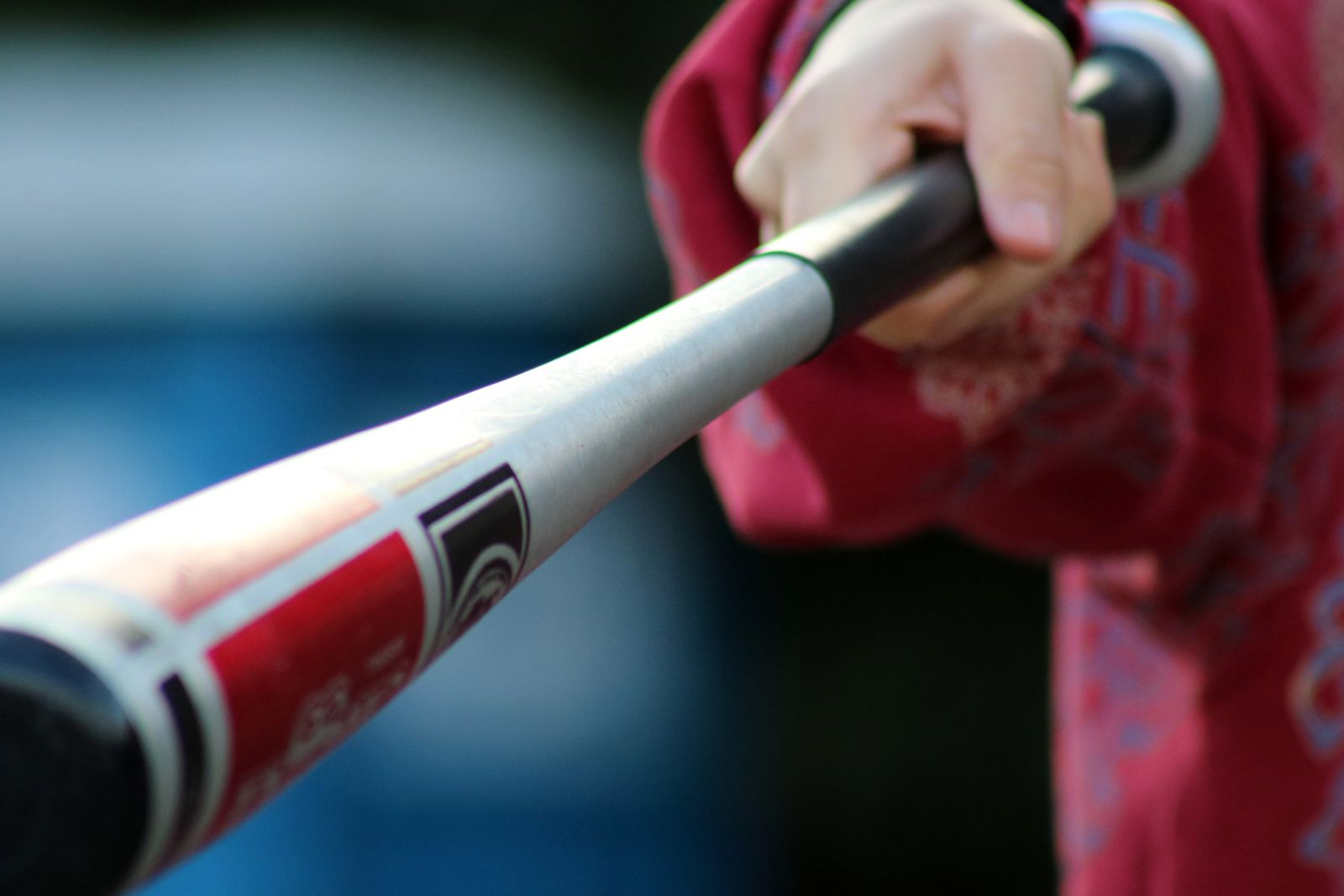
At some point this fall, your kid is going to come home talking about a bat. Probably the Easton Hype Fire, maybe the Rawlings Icon, maybe whatever half the dugout is swinging. The flagship USA models list around $330–$350, which means you're staring at roughly $400 out the door — for a bat your player might outgrow by next summer. Before you spend it, there's one thing about USA bats the sales page won't lead with, and it changes the whole math.
The thing the store won't tell you: USA bats are capped on purpose
Since January 1, 2018, leagues like Little League, Cal Ripken, and Babe Ruth have required bats certified under the USABat standard. The standard's entire purpose is to make metal and composite bats perform like wood. Not "close to wood." Like wood. The trampoline effect — how much the barrel springs the ball back — is capped at wood-like levels across the barrel.
That happened for a good reason: before 2018, youth composites had gotten hot enough that batted balls were outpacing what 11-year-old pitchers and infielders could react to. So USA Baseball deliberately "deadened" the category. Every certified bat, from the $79 alloy at a big-box store to the $350 flagship composite, is engineered toward the same ceiling.
Compare that to USSSA — the travel-ball standard — which kept the older, hotter 1.15 BPF limit. Retailer guides like Sports Unlimited put the difference at roughly 4–8 mph of exit velocity between a USSSA bat and a USA bat. That's the honest context for this whole conversation: in USSSA, money can buy measurably more pop. In USA, the pop is capped by rule.
So what does the extra $250 actually buy?
Not nothing — and it's worth being precise about what it is, because it's not what the marketing implies.
- A bigger sweet spot. The ceiling is capped, but how much of the barrel performs near the ceiling isn't. Premium composites like the Hype Fire (Easton's 360° "Ropecoil" barrel) and the Icon hold their performance further toward the taper and end cap. Kids don't miss the sweet spot occasionally — they miss it most of the time. Better mishits are the real product here.
- Lighter swing weight at the same length. Composite construction lets makers put a big barrel on a genuinely light-swinging bat. A bat your kid can actually accelerate is worth real exit velocity — swing speed is the one input the standard doesn't cap.
- Less sting. Two-piece composites damp vibration on mishits. For a 10-year-old who's been stung twice and started bailing, this quietly matters more than any performance spec.
- Confidence. Genuinely real, genuinely unmeasurable, and the reason Bat Digest cautions that cage exit-speed tests don't tell you which bat is best for your hitter.
What it does not buy is the thing everyone assumes: a meaningfully hotter barrel on flush contact. Bat Digest's testing across years of USA models finds expensive bats win on sweet-spot size and consistency, but the spread on well-struck balls is small — their own line is that the $500 bat doesn't always win.
Alloy vs. composite, in plain English
Here's the part of the market that's genuinely interesting right now: some of the best-feeling USA bats aren't the $350 composites. The Warstic Bonesaber — a bat with a serious following — is a single-piece alloy that runs about $200 ($250 for the hybrid). DeMarini's Voodoo One and Rawlings' Clout AI fill the same lane. Under a capped standard, the premium-alloy tier gives up much less to flagship composites than the price gap suggests.
| Alloy (~$100–250) | Composite (~$300–400) | |
|---|---|---|
| Ready to use | Out of the wrapper | Needs ~150–200 break-in swings |
| Sweet spot | Smaller, but honest | Larger; friendlier on mishits |
| Feel on mishits | More sting | Damped, forgiving |
| Cold weather | Fine | Risky below ~50°F — barrels crack |
| How it wears out | Dents gradually, keeps playing | Cracks — often done in ~a season of heavy use |
| Swing weight options | Fewer, generally heavier | Lightest, most balanced options |
The durability question, answered honestly
This is the question I'd weigh hardest, because it's where the $400 math quietly falls apart for a lot of families. Composite bats don't wear out gracefully. They break in (a couple hundred tee swings, rotating the barrel — Better Baseball has a good guide), peak, and then eventually crack. DICK'S Pro Tips puts the lifespan at about one year with heavy use — and a travel kid who hits year-round, in cages, in cold March games, is the definition of heavy use. Careful owners stretch it to two seasons. Team-bag bats that get shared around rarely see one.
Two more things to factor in:
- The warranty is one year, once. Most manufacturers will replace a cracked bat within 12 months with a receipt from an authorized dealer — typically one time. After that, a crack is a $350 paperweight.
- Your kid is growing. A 10–12-year-old often moves up a bat size roughly every season. There's a decent chance the bat is outgrown before it's worn out — which is either an argument against spending $400, or an argument that the resale/hand-me-down value matters.
My honest bottom line
If your kid plays USSSA travel ball: the expensive composite is the defensible buy — that standard rewards it with real, measurable exit velocity. Spend it there.
If your kid plays USA-standard rec or Little League: the cap changes the answer. A $200–250 premium alloy — a Bonesaber, a Voodoo One — gets you the large majority of what the $400 composite delivers, with zero break-in, no cold-weather anxiety, and a bat that dents instead of dying. The flagship composite is a luxury good in USA. A nice one! But a luxury, and I'd only buy it for a heavy-schedule player who's between growth spurts, and I'd treat it like the fragile thing it is: games only, never below 50 degrees, never loaned to the team bag.
And one more thing, because I watch swing video for a living — full disclosure, Angular Baseball is the thing I work on. The standard caps the bat, but it doesn't cap the hitter. The gap between a $150 bat and a $400 bat on a USA field is a few feet on a mishit. The gap between a swing with a casting problem and one without is measured in bat speed the rule book can't take away. If the goal is more pop this fall, film a swing and look at the mechanics before you fund the bat — it's the cheaper upgrade, and it's the one that transfers to every bat your kid ever swings, wood included.
Sources
- USA Baseball — About the USABat Standard
- Sports Unlimited — USA vs USSSA Bats: What's the Difference?
- Bat Digest — Best USA Bats (2026 rankings)
- Bat Digest — Why Exit Speed Doesn't Equal Real Pop
- DICK'S Pro Tips — The Lifecycle of a Performance Composite Bat
- Better Baseball — How to Break In a Composite Bat