José Ramírez's Swing: The 5-foot-8 Blueprint for Kids Who Are Told They're Too Small to Hit for Power
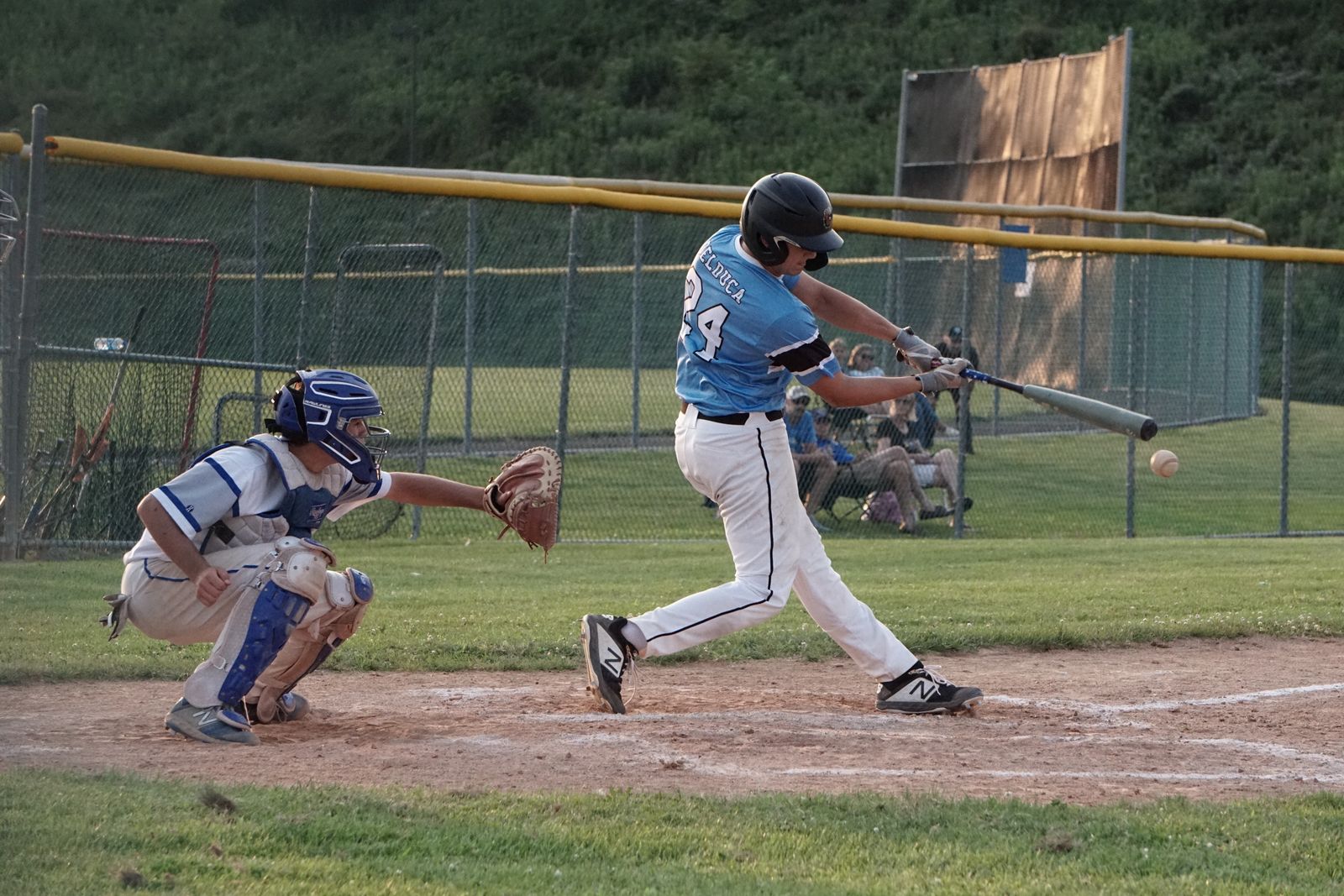
The ALCS starts tonight at Tampa Bay, and the Guardians are there mostly because José Ramírez woke up. He went 0-for-6 in the first two games of the Division Series, then put up five hits and seven RBIs over the last three, including the two-run homer that was all the offense in a 2-0 Game 5. If you have a kid who has been told, politely or otherwise, that they're too small to hit for power, this is the swing to put in front of them this week.
Why he's the right model (and Ohtani isn't)
I love Ohtani's swing as a teaching clip for one specific thing. But as a whole-swing model for a 12-year-old, he's a trap, and so is Aaron Judge. They are enormous, their raw power comes from a body your kid doesn't have yet, and they strike out at or above the league rate because they can afford to. A kid who copies the whole package copies the strikeouts first and the home runs never.
Ramírez is the opposite case. FanGraphs put it bluntly in a piece titled "José Ramírez Is a Marvel": he "hardly has top-shelf power," his raw batted-ball numbers look like a utility infielder's, and yet from 2015 through 2023 he had hit the 20th-most home runs in baseball. He strikes out about 12% of the time. The league as a whole has been striking out in more than one of every five trips for years. He is a small hitter getting an absurd amount out of ordinary power, which is exactly the problem every small hitter is trying to solve.
He also had a rough 2026 by his standards, battled injuries, and hit 12 homers in the regular season. I mention it because it's true and because it's part of the lesson: even the best version of this swing has off years. What he did in the Division Series is what the swing looks like when it's working.
The three "small-guy power" pieces
Honest note up front: I haven't run Ramírez through our pipeline for this one. Postseason broadcast footage is too far away and too fast to trust the joint-angle numbers, and I'd rather not publish a measurement I don't believe. So this is an eyes-on breakdown. Watch him from the center-field camera tonight and you'll see all three.
1. A quiet, early front foot
Whichever side he's hitting from, what I see on the center-field feed is a front foot that's down before the pitch arrives, off a small stride and a soft landing. That's what buys him the time to make his swing decisions, which is why he can be aggressive (FanGraphs has him swinging at roughly a league-average rate) and still chase so little (CBS had his chase rate among the lowest in baseball back in 2018). A kid who lands late is always rushed, and a rushed hitter either guesses or swings at everything.
2. Hands that stay short to the ball
To my eye, his hands don't drift away from his body on the way to contact. The barrel takes the direct route, which is how an 86% contact rate and 30 homers can live in the same body. Long hands feel powerful because the bat goes faster at the end, but they arrive late, and late hands are how a 5-foot-8 kid becomes a slap hitter. We call the long version arm casting, and it's one of the most common things we flag on youth video.
3. A full turn with a balanced finish
This is the part people get wrong when they tell small hitters to "just make contact." Ramírez swings hard. His helmet comes off often enough that it's a running joke. But the effort comes from the lower half turning all the way through, not from the arms, and he finishes forward, over the front side, even when the swing is violent enough to lose the helmet, instead of falling toward the catcher. The ball goes up and to the pull side because his hips drive it there, not because he's trying to lift it. Our falling-back guide covers the version of this that goes wrong.
| What to copy | What to leave alone |
|---|---|
| Front foot down early, soft landing | Switch-hitting (one side first, and most kids never need the second) |
| Hands inside and short to the ball | His bat speed (that's years of strength work, not a cue) |
| Full hip turn, balanced finish over the front leg | His swing-hard approach (he can afford it; a 12-year-old can't yet) |
| Swinging at strikes and laying off the rest | Trying to pull everything in the air on purpose |
Watch-along: three things to spot tonight
Game 1 is at 8 p.m. ET on TBS. The center-field camera is your friend. Pick one Ramírez at-bat and watch these, in order:
- Where is his front foot when the pitcher releases the ball? It should be on its way down, not still in the air. Compare it to a hitter with a big leg kick and notice how much calmer he looks.
- How far do his hands get from his body before contact? Freeze it if you can. Watch whether the knob stays close to the back hip on the way down, or loops out away from him first.
- Where is he standing after the swing? Over the front leg, chest toward the pitcher, not leaning back toward the catcher. If the helmet flies, that's the lower half doing its job, not the arms.
Then, this is the part that matters, watch your own kid's video from the same angle and ask the same three questions. The answers are usually obvious once you know what to look for.
The fix: the "short to it" drill
If the answer to question two was "pretty far," this is the drill. All you need is a tee or a front-toss partner and a hand towel.
Short to It (towel connection drill)
- Fold a hand towel and tuck it under the lead armpit (the arm closest to the pitcher).
- Take a normal stance. Get the front foot down early and quiet, the way Ramírez does.
- Swing. The towel should stay pinned until just after contact. If it drops early, the hands left the body too soon.
- Finish balanced over the front leg and hold it for a count of two.
- Score each round on two things only: towel stayed in, finish was balanced. Don't score distance.
- Three rounds. Rest between them. Stop when the towel starts falling, not when the kid gets tired.
What a good rep looks like: the towel stays, the ball comes off the bat with a sharper sound than the kid expects, and they stick the finish without a stumble. Don't be surprised if the ball goes farther with the towel in. The barrel arrives on time.
Age note. For 10 to 12, keep it on the tee and don't talk about power at all. Balance and the towel are the whole job. For high schoolers, move to front toss, add a couple of rounds of full-effort swings at the end, and start paying attention to where the ball goes. Pull-side line drives are the goal, not pop-ups.
Want to check your own hitter against the three questions above without eyeballing it? Film one swing from the side and run it through Angular Baseball. It measures stride timing, the back elbow (the short-hands check) and trunk lean at contact on every swing, and tells you the one thing to work on first. First analysis is free.
The Swing Spotlight series
1. How we score a swing → 2. Shohei Ohtani — hip-shoulder separation → 3. Barry Bonds — the connected barrel → 4. Bo Bichette — where bat speed comes from → 5. Freddie Freeman — staying through the ball → 6. José Ramírez — small-hitter power — you're reading itSources
- MLB.com — 2026 League Championship Series matchups and schedule
- CBS Sports — Guardians advance to the ALCS with Game 5 win over the White Sox
- Baseball-Reference — José Ramírez career statistics
- FanGraphs — "José Ramírez Is a Marvel" (Ben Clemens, Jan. 2024)
- CBS Sports — In the age of strikeouts, Ramírez is MLB's most dangerous contact hitter (2018)
- MLB.com — League-wide strikeout rates, regular season vs. postseason